

Exploring the psychology behind casino games What keeps players coming back
The Thrill of Uncertainty
The allure of casino games often lies in the element of unpredictability. Every spin of the slot machine or the shuffle of cards introduces a potent mix of hope and anticipation. Players are drawn to the possibility of winning big, a phenomenon rooted in psychology known as variable reinforcement. This means that the sporadic nature of wins creates a powerful urge to return, as the brain releases dopamine, a neurotransmitter linked to pleasure during these moments of excitement. The chance to play, such as options like casino no kyc, further enhances the appeal for many.

This uncertainty triggers what psychologists call a ‘gambling addiction cycle.’ Players may lose frequently but remember the few wins much more vividly. Consequently, the compelling urge to chase these elusive victories can lead to a repetitive cycle of playing again and again, hoping to experience that rush of excitement once more.
Social Dynamics and Community
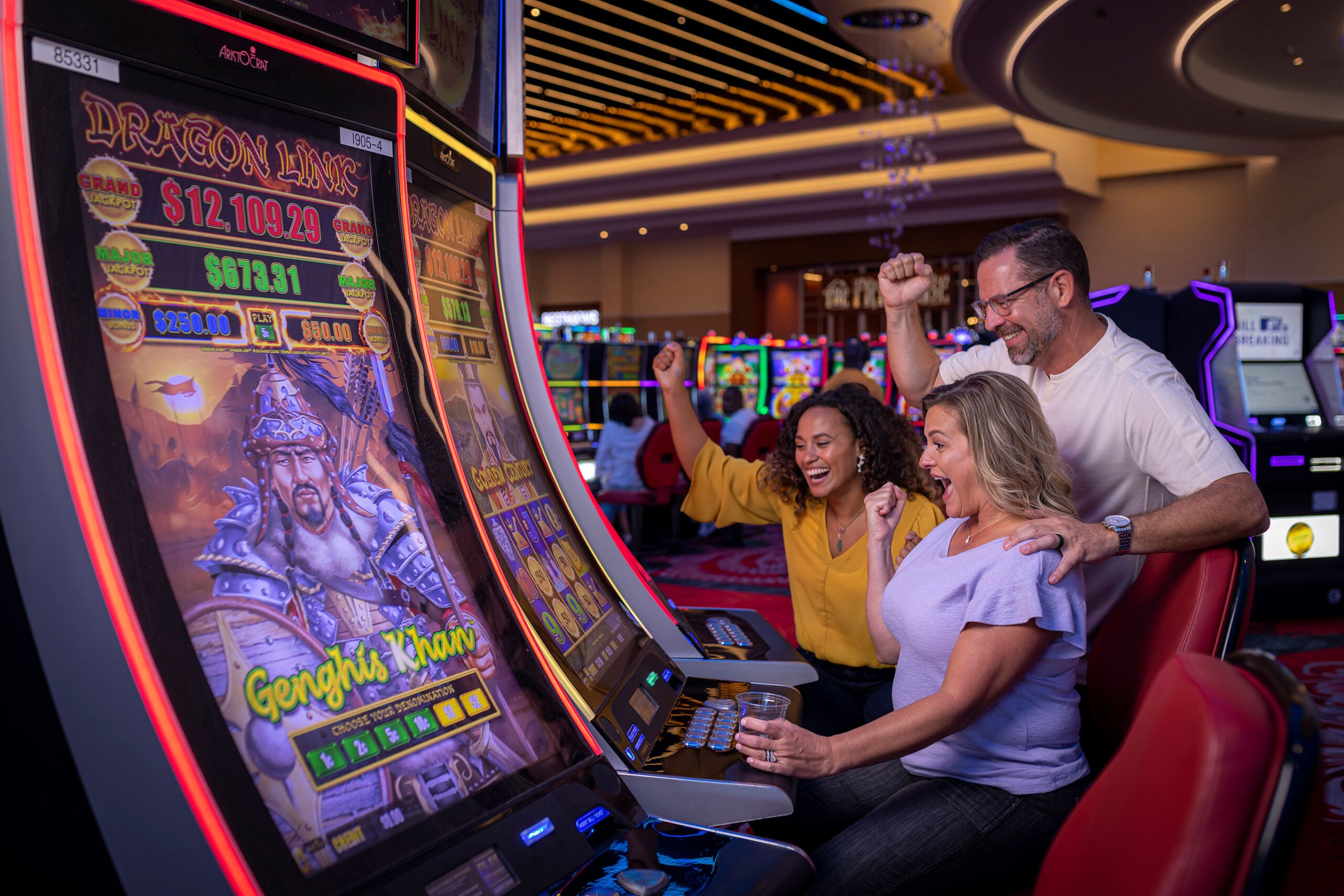
The social aspect of casino games cannot be understated. Many players find enjoyment not just in the games themselves, but in the community that surrounds them. Casinos often foster a sense of camaraderie among players, with social interactions being a fundamental part of the experience. This aspect appeals particularly to those who enjoy the thrill of collective emotions – the cheers of nearby winners or the shared tension during high-stakes games can intensify the experience.
Moreover, many casinos organize events and tournaments that further enhance this social dynamic, encouraging players to return not just for the games, but for the friendships and interactions formed over time. The sense of belonging to a group can be incredibly powerful and reinforces the habit of returning to play.
The Role of Marketing and Promotions
Casinos invest heavily in marketing strategies designed to keep players engaged and returning. Promotions such as loyalty programs, cashback offers, and enticing bonuses create a compelling reason for players to continue gambling. These marketing tactics take advantage of psychological principles such as loss aversion; players are more likely to return to avoid losing out on their rewards or bonuses.
Furthermore, the well-designed physical environment of casinos plays a significant role in this. The use of bright lights, engaging sounds, and strategic layouts encourages prolonged play and a feeling of excitement, making it hard for players to leave. Such an immersive experience ensures that players are often drawn back into the enticing world of gambling.
The Psychological Escape
For many individuals, casino games provide a form of escapism from daily stressors. The vibrant atmosphere, the thrill of possibility, and the chance to experience a different reality can be a welcome distraction from life’s challenges. Engaging in games allows players to temporarily forget their troubles and immerse themselves in a world where winning is just a game away.
This psychological escape can be particularly appealing during tough times or periods of low self-esteem. The ability to experience the highs and lows of winning and losing in a controlled environment gives players a sense of agency and control that may be lacking in other aspects of their lives. This compelling need for distraction can lead to frequent returns to the casino.
Conclusion and Website Insights
Understanding the psychology behind casino games sheds light on why players are consistently drawn back to these venues. The thrill of uncertainty, the strength of social connections, clever marketing, and the allure of escapism all intertwine to create a compelling environment that keeps players engaged.
As a platform focused on enhancing online presence, this website is dedicated to helping users navigate their engagement strategies effectively. By offering various tools and resources, it aims to optimize lead generation, thereby creating a rich user experience that mirrors the immersive and compelling nature of casino gaming.